Top 10 Tips for a Successful Dog Training Session
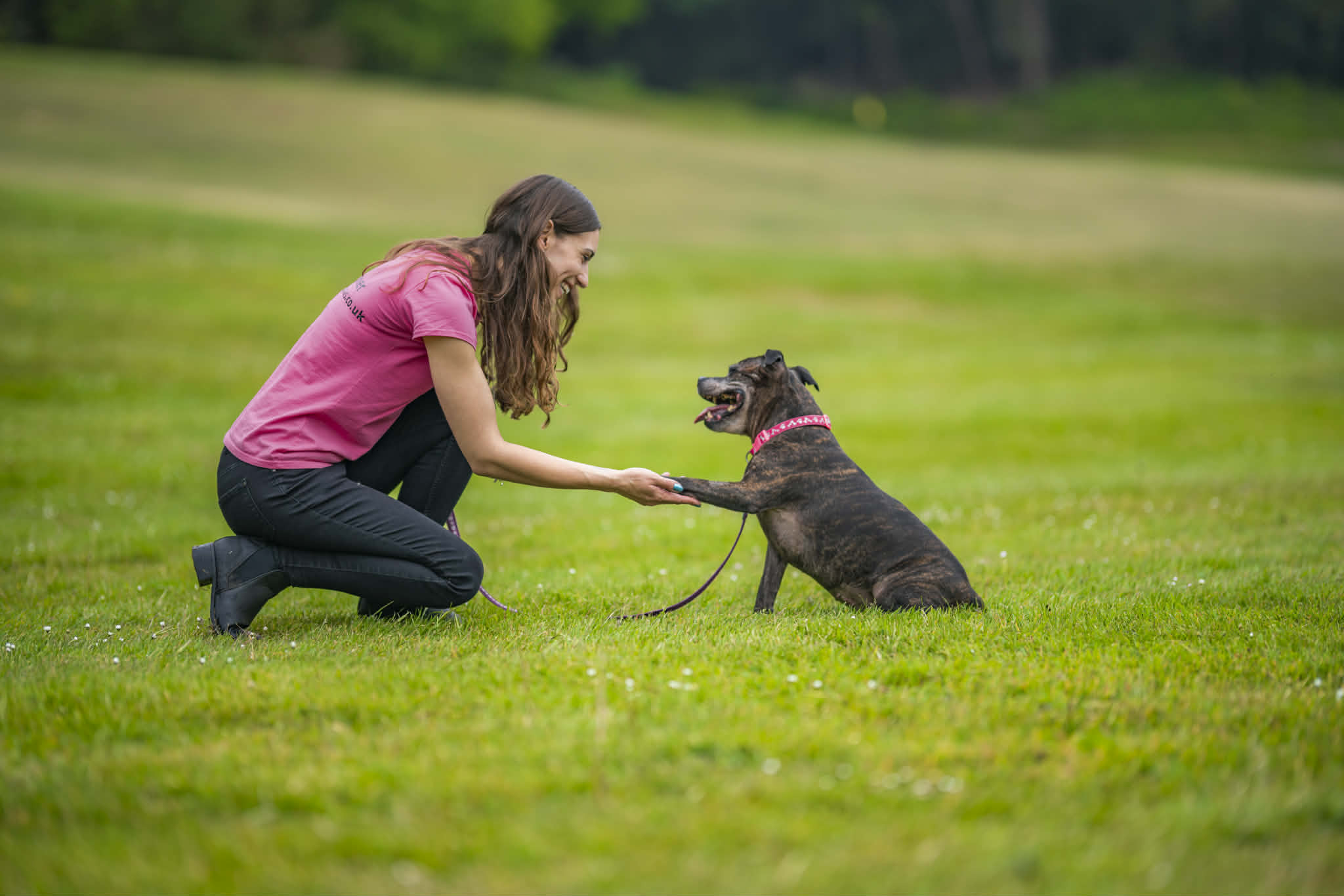
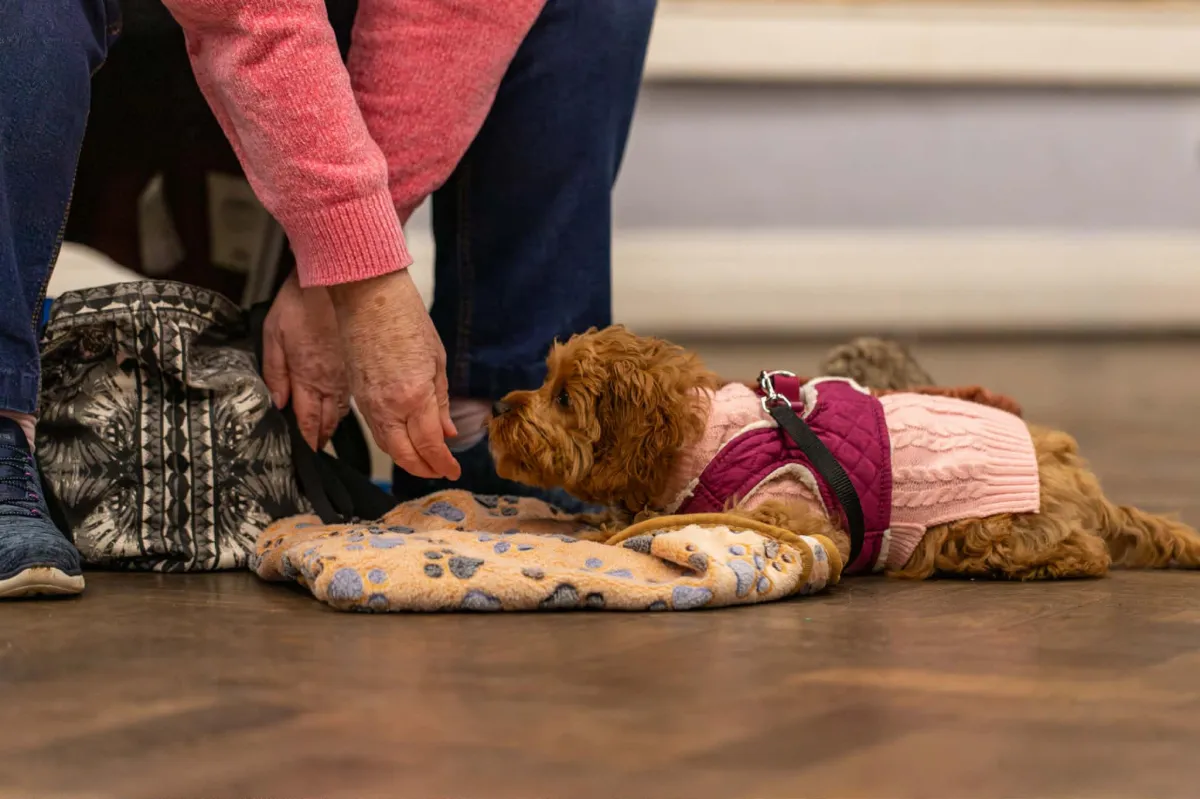
Want to get more from every training session? Whether you're teaching a Puppy their first cues or brushing up on old skills, these simple tips can make training more enjoyable, more effective and less frustrating for both you and your Dog. - Kirsty's Paws
Introduction:
Whether you've just welcomed home a new Puppy or you're teaching an older Dog new skills, every training session is an opportunity to strengthen your bond.
The secret to successful Dog training isn't spending hours practising. In fact, some of the best sessions last just a few minutes. It's about setting your Dog up for success, keeping learning enjoyable and ending with both of you wanting to do it again.

Here are my top 10 tips to help you get the most out of every training session:
1. Choose the Right Environment
If you're teaching something new, start somewhere with as few distractions as possible.
Your living room is usually much easier than the park. Once your Dog understands the exercise at home, you can gradually practise in more challenging environments.
Remember, if your Dog struggles outside, they probably haven't forgotten the behaviour—they're simply finding the environment more difficult.
2. Train When Your Dog Is Ready
Trying to train an exhausted Puppy, an over-excited adolescent or a Dog that desperately needs the toilet is unlikely to produce great results.
Choose a time when your Dog is calm, comfortable and ready to concentrate.
Sometimes a short sniffy walk before training or allowing your Dog to settle for a few minutes can make all the difference.
3. Use Rewards Your Dog Really Loves
Not all treats are created equal.
For easy exercises at home, your Dog may happily work for their usual kibble or everyday treats. For more challenging situations, such as practising around distractions or other Dogs, you may need something much more valuable, such as cooked chicken or cheese.
The more difficult the task, the better the reward should be.
4. Practise Before Adding the Verbal Cue
One of the most common mistakes I see is owners saying a cue repeatedly before their Dog understands what it means.
Instead, teach the movement first. Once your Dog is reliably offering the behaviour, introduce the verbal cue just before they perform it.
This helps your Dog learn exactly what the word means instead of simply hearing it over and over again.
5. Increase the Difficulty Gradually
Just because your Dog can do something in your living room doesn't mean they'll be able to do it in the park.
Dogs don't automatically generalise their learning to new places, people and situations. Build up gradually by changing only one thing at a time, such as the environment, the level of distraction, the distance or the duration.
If your Dog starts making mistakes, don't worry—they're simply telling you the exercise has become too difficult. Take a step back, make it easier again and build back up gradually.
6. Keep Training Sessions Short
Dogs learn best in short bursts rather than long sessions.
Five minutes of focused training is often far more productive than thirty minutes when both of you are becoming tired.
Aim to finish while your Dog is still engaged and wanting more. Ending on a positive note helps keep training fun and builds enthusiasm for next time.
7. Be Consistent
Everyone in the household should use the same cue words and reward the same behaviours wherever possible.
Consistency helps your Dog understand exactly what is expected and prevents confusion.
Simple differences, such as one person saying "Down" and another saying "Lie Down", can slow learning if your Dog is still at the early stages.
8. Finish on a Success
If something isn't going to plan, don't keep repeating the same exercise hoping it will suddenly improve.
Instead, make it easier. Go back a step or ask your Dog for something they already know well. Reward them generously and finish there.
Both you and your Dog will end the session feeling successful, making it much more likely you'll both look forward to training again.
9. Celebrate the Little Wins
Progress isn't always dramatic.
Perhaps your Dog held a stay for two seconds longer than yesterday, checked in with you more often on a walk or chose to ignore a distraction.
These small improvements are exactly how confident, well-trained Dogs are built.
Take time to notice and celebrate them.
10. End with Play or Affection
Training should strengthen your relationship, not just teach behaviours.
A quick game, a gentle fuss or simply telling your Dog they've done brilliantly helps finish every session on a positive note.
Your Dog should come away thinking that spending time learning with you is one of the best parts of their day.
Final Thoughts
Successful Dog training isn't about perfection. Every Dog learns at their own pace, and every small step forward is progress worth celebrating.
By keeping sessions short, rewarding generously, building up gradually and always setting your Dog up for success, you'll create enjoyable training sessions that build confidence, strengthen your relationship and help your Dog develop skills that last a lifetime.
Looking for more help with your Puppy or teenage Dog? I’ve created two free Help & Advice libraries packed with kind, practical guidance to support you through puppyhood and adolescence.
🐾 Explore my Free Puppy Help & Advice Guides
🐾 Explore my Free Teenage Dog Help & Advice Guides
Check out Kirsty's Paws Online Training:
If you're ready to take your training even further, my online Dog training course are packed with easy-to-follow video lessons, practical exercises and expert guidance to help you and your Dog succeed.
Recall mini course
Loose lead mini course
Puppy Training
Adolescent Training
Trick Training
Repairing Reactivity
Wellbeing Course (coming soon)
You can explore the full range of courses on the Kirsty's Paws website.