Puppy Socialisation: 5 Common Mistakes and Simple Ways to Get It Right
“Every Puppy deserves the best possible start in life. Understanding what socialisation really means can help your Puppy grow into a happy, confident and well-adjusted adult Dog..” - Kirsty Everard
Introduction:
When you bring home a new Puppy, you'll probably hear lots of people talking about the importance of socialisation, and they're absolutely right. The first few months of your Puppy's life are an incredible opportunity to help them develop into a happy, confident and well-adjusted adult Dog.
The challenge is that socialisation is often misunderstood. Many owners have the very best intentions but accidentally focus on experiences that aren't as beneficial as they seem.
The good news is that successful socialisation doesn't have to be complicated. By understanding what your Puppy really needs, you can help them build confidence that lasts a lifetime.
Here are five of the most common socialisation mistakes I see, along with some simple ways to avoid them
1. Thinking Socialisation Means Playing with Lots of Other Puppies
This is probably the biggest misunderstanding of all.
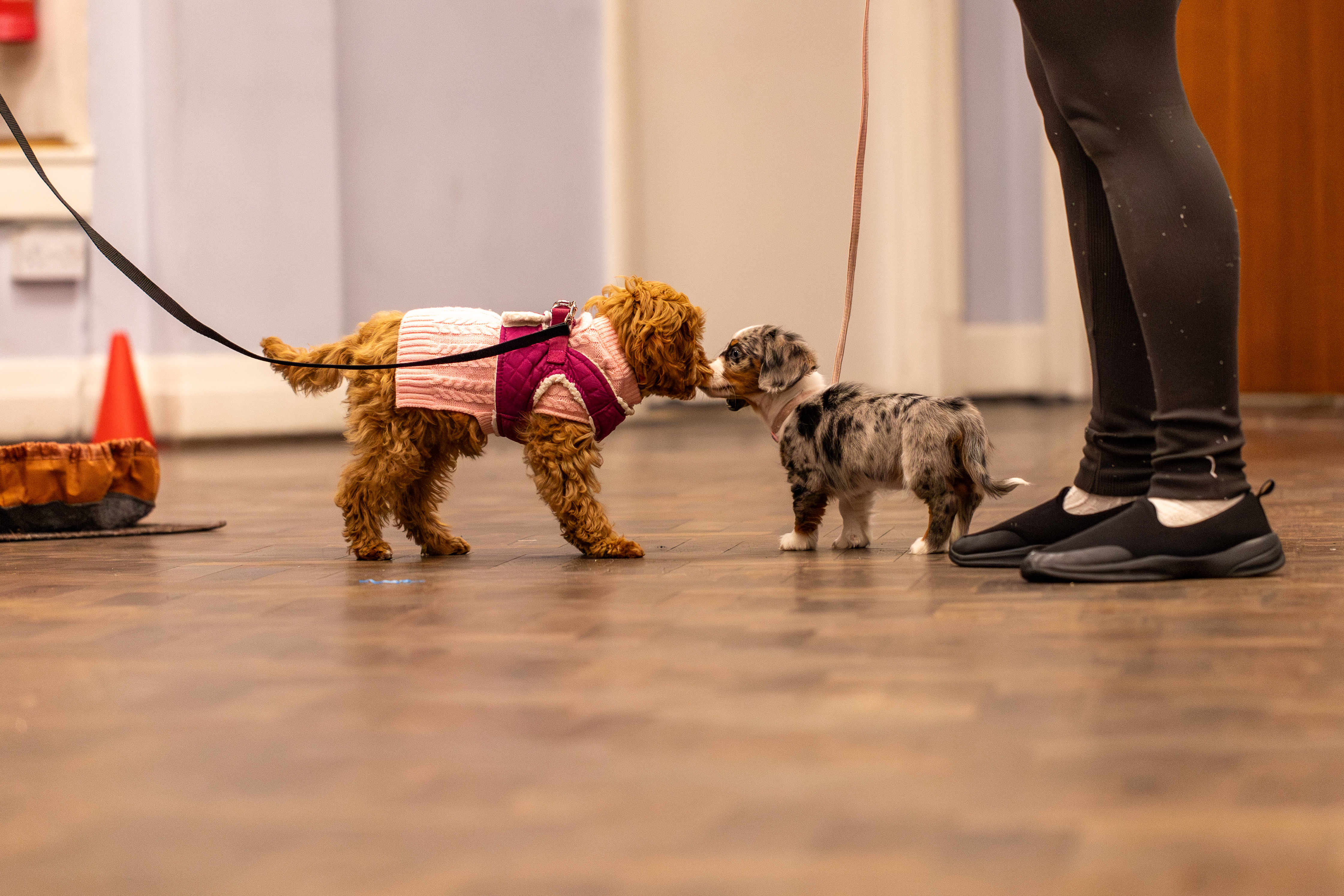
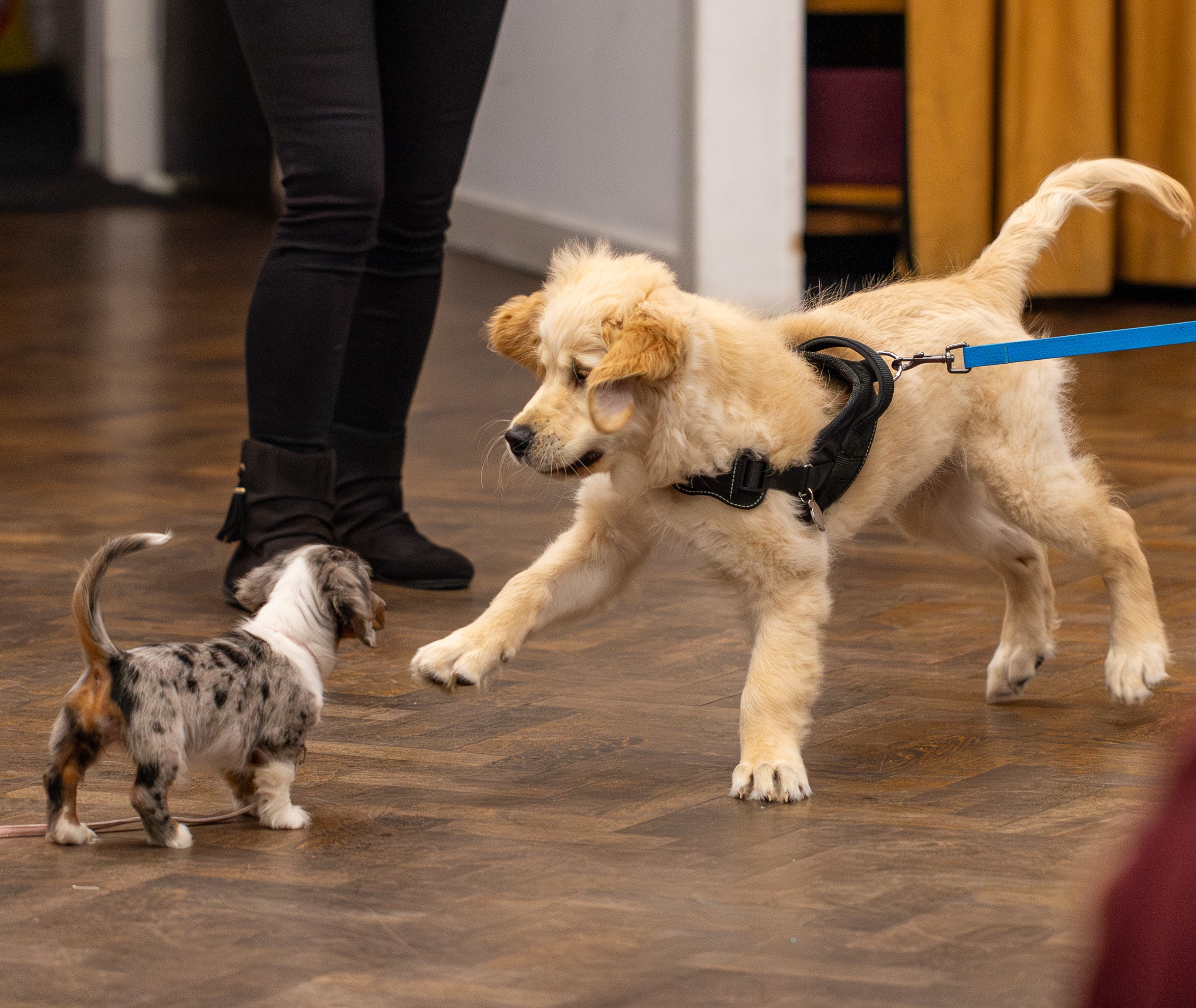
Many owners believe socialisation means giving their Puppy as many opportunities as possible to play with other Dogs. This is one of the reasons Puppy socialisation hours have become so popular. While these sessions are usually created with good intentions, they're not always the best way to build the skills Puppies need for everyday life.
Some Puppies become so excited that they begin to expect every Dog they see to be a playmate. Others can feel overwhelmed by the busy environment and would benefit from having more space to observe at their own pace.
Socialisation isn't about creating a Puppy who wants to play with every Dog they meet. It's about helping your Puppy feel calm, confident and comfortable around other Dogs, whether they interact or simply walk past.
Puppies also learn best in short, positive interactions rather than long periods of free play. Extended sessions can leave some Puppies overtired and overstimulated, leading to nipping, rough play or frustration. Puppies who are naturally more cautious may simply need the freedom to watch from a comfortable distance until they feel ready.
2. Focusing Only on Other Dogs
Dogs are just one small part of your Puppy's world.
Great socialisation also includes meeting different people, seeing other Animals, visiting new places, hearing everyday sounds, walking on different surfaces and experiencing a wide variety of environments.
Every positive experience helps your Puppy learn that the world is a safe place. By gradually introducing new situations at a pace your Puppy is comfortable with, you're helping them become adaptable and resilient as they grow.
3. Expecting a Nervous Puppy to "Get Used To It"
It's natural to think that a Puppy will become confident if they're exposed to something often enough.
In reality, confidence grows when Puppies feel safe.
If your Puppy is freezing, hiding, shaking, cowering or trying to move away, they're communicating that the situation feels overwhelming. Rather than encouraging them to get closer, give them the space they need, reduce the intensity of the experience and help them build positive associations using treats, praise and encouragement.
When Puppies are allowed to progress at their own pace, they often gain confidence much more quickly.
4. Allowing Every Dog Greeting
It can feel polite to stop and let your Puppy greet every Dog you meet.
However, one of the most valuable life skills you can teach is that it's perfectly normal to walk past other Dogs calmly without saying hello.
As your Puppy grows, you'll probably want them to walk nicely on lead, pay attention to you around distractions and come back when called. Teaching them that they don't need to interact with every Dog they see makes these skills much easier to develop.
Reward your Puppy for checking in with you, remaining relaxed and choosing to focus on you when other Dogs are nearby.
5. Forgetting That Quality Matters More Than Quantity
Successful socialisation isn't about how many experiences your Puppy has—it's about how they feel during those experiences.
A Puppy who enjoys ten calm, positive experiences will often gain far more confidence than one who has fifty experiences that feel overwhelming or stressful.
Whenever you introduce something new, focus on helping your Puppy feel safe, relaxed and curious. Use treats, toys and praise to create positive associations and let your Puppy explore at a pace that suits them.
Those small, positive experiences soon add up to create a confident Dog who can cope with the world around them.
Helping Your Puppy Thrive
Every Puppy is an individual, and there's no checklist that guarantees success. The aim isn't to expose your Puppy to everything as quickly as possible—it's to help them build confidence through positive experiences that they can enjoy and learn from.
At Kirsty's Paws, I focus on helping Puppies build confidence, develop important life skills and create positive associations with the world around them. Because successful socialisation isn't about creating a Puppy who wants to greet every Dog they see—it's about raising a Dog who can happily and confidently navigate everyday life.
If you're unsure how to support your new Puppy, choose a qualified, experienced, reward-based trainer who can guide you through those important early months. The Dog Training industry is currently unregulated, so it's worth looking for trainers who are members of organisations such as the IMDT, APDT, ABTC or PACT, all of which promote ethical, evidence-based training methods.
Top Tips to Help with Puppy Socialisation
Looking for more Puppy help? I’ve created a free Puppy Help & Advice library with kind, practical guidance on biting, toilet training, recall, loose lead walking, socialisation, sleep, chewing, jumping up, barking and being left alone.
Explore all my Free Puppy Help Guides →
Puppy Help & Advice | Kirsty's Paws
Additional Support
For help with one to one training (in person or online) please visit my website.
I can support you with one to one training, online courses and in person group classes.
For more information visit Kirsty’s Paws