Pitfalls of Puppy Play Parties
“Successful socialisation isn't about creating a Puppy who wants to greet every Dog they see, it's about creating a Dog who can happily and confidently navigate the world around them.” - Kirsty Everard
When you bring home a new Puppy, you'll probably hear lots of people tell you that socialisation is important, and it is, but socialisation is often misunderstood.
Many new Puppy parents worry that they need their Puppy to meet as many Dogs as possible during those early weeks and months. This is one of the reasons Puppy socialisation hours have become so popular.
While these sessions are usually well-intentioned, they're not always the best way to help your Puppy grow into a happy, confident and well-behaved Dog.
Here are 6 things you need to get it right! 👊
1. What Socialisation Really Means
When most people think about socialisation, they think about Puppies playing with other Dogs, but socialisation is much more than that.
Socialisation involves exposing your Puppy to a wide range of different experiences. This includes meeting different people, seeing other Animals, visiting different places, hearing different sounds and experiencing different surfaces and situations.
The aim is to help your Puppy feel safe, relaxed and confident in the world around them, not to create a Puppy who wants to interact and play with everything they see.
For socialisation to be successful, each new experience should be pleasant. Use treats, toys and plenty of praise to help your Puppy build positive associations with new things. If your Puppy seems worried or overwhelmed, slow things down and give them time to relax before trying again.
2. Why Puppy Play 'Socialisation' Hours Can Be Problematic
One of the most important things I want you to know is that socialisation doesn't require your Puppy to play with lots of unfamiliar Dogs.
In fact, for some Puppies, being placed into a busy environment full of excited Puppies can be quite overwhelming.
Just like people, Puppies have different personalities. Some Puppies will confidently run into a room full of Dogs without a second thought. Others will prefer to hang back, observe and take things in at their own pace.
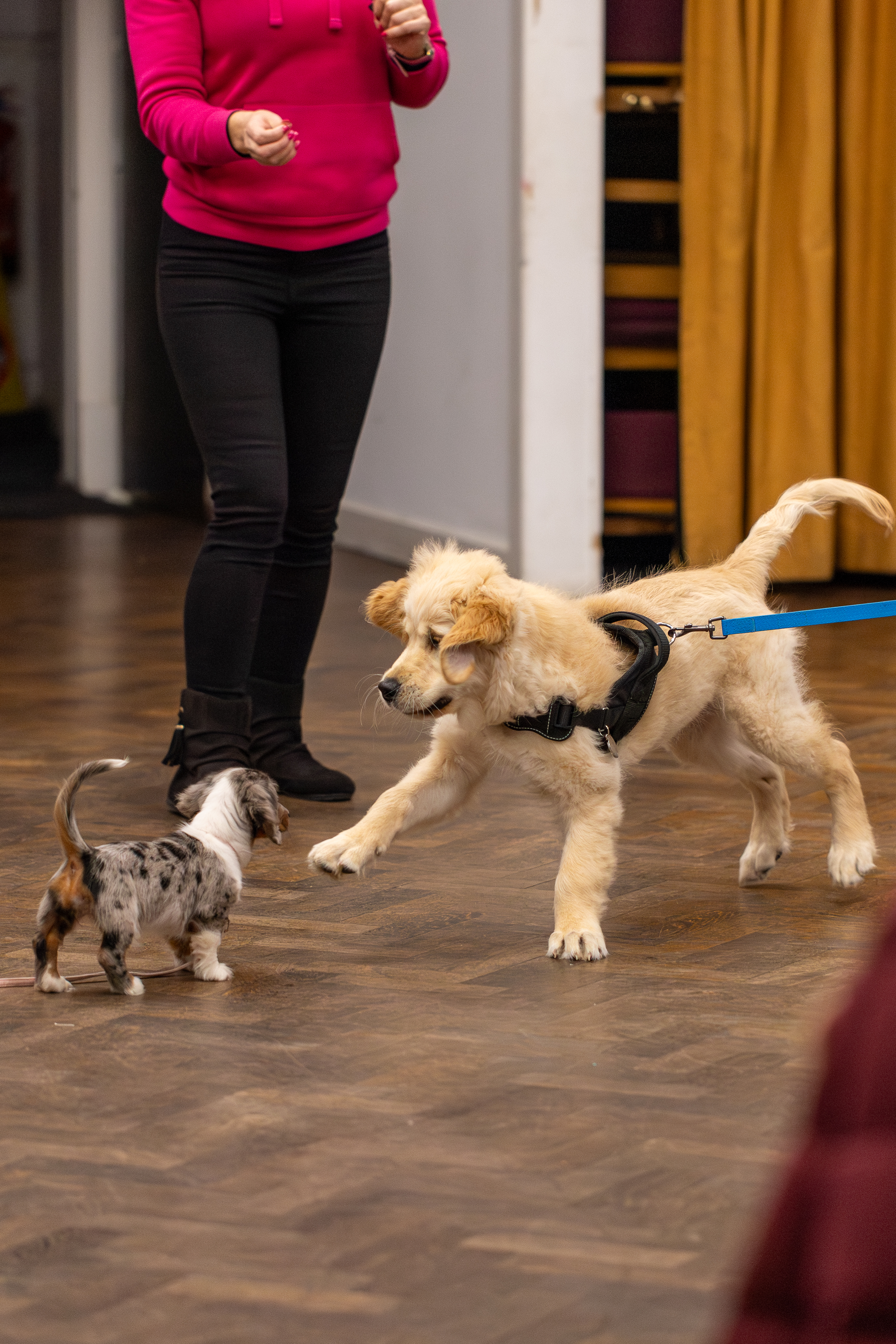
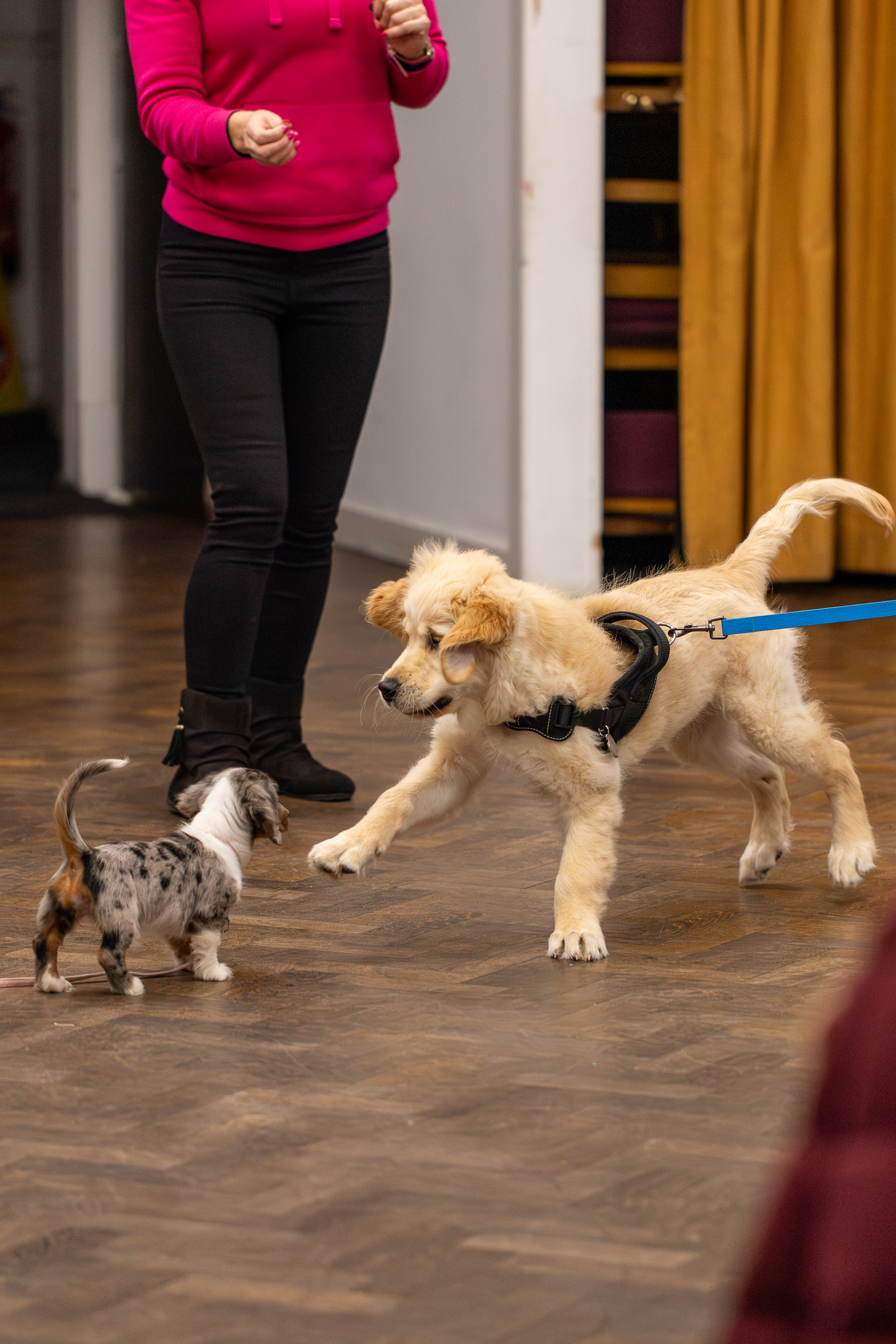
Problems can develop when a Puppy just runs in to play, jumping all over others, or when a Puppy who is feeling unsure doesn't have the opportunity to move away, take a break or observe from a distance that they feel comfortable.
Instead of teaching Puppies polite social cues and how to calmly disengage they can learn bad manners, prolonged play in these settings often results in over-tired, over-stimulated Puppies that resort to nipping, roughhousing or bullying behaviours.
On the other hand, if your Puppy is hiding, freezing, cowering, avoiding interactions or trying to escape, they aren't learning that other Dogs are fun, they’re learning that other Dogs are overwhelming or unpredictable.
3. Your Puppy Doesn't Need to Play with Every Dog
When I'm working with new Puppy parents, one of the most common misconceptions I hear is that Puppies need to greet every Dog they see, but that’s not the reality because as your Puppy grows up, you'll want them to be able to walk calmly past other Dogs, be able to focus on you and remain relaxed.
If your Puppy learns that every Dog they see means playtime, they can start to become frustrated when they aren't allowed to interact. This can contribute to pulling on the lead, barking, lunging with excitement or ignoring you whenever another Dog appears, if you want your Dog to have a good recall around other Dogs you need them to be able to focus on you.
One of the most valuable lessons you can teach your Puppy is that they can see another Dog and remain calm. This will help make future walks enjoyable and safe for you and your Dog.
4. Quality Matters More Than Quantity
It is much better for our Puppies to have a positive experience observing a friendly Dog from a distance than being overwhelmed in a noisy room full of unfamiliar Puppies.
Socialisation isn't about playing with as many Dogs as possible, it's about helping your Puppy to build positive associations with the world around them.
Your Puppy can learn a huge amount from watching Dogs pass by, whilst sitting with you enjoying treats, exploring a new environment, meeting friendly people or experiencing different sights and sounds in a calm and positive way.
5. Choosing the Right Dog Interactions
It is important that our Puppies have positive experiences with other Dogs, but I would encourage you to focus on quality rather than quantity.
Choose calm, friendly and patient Dogs who get along with Puppies, that you know and trust. Allow your Puppy to interact at their own pace and make sure they always have the option to move away if they need to. The goal is for your Puppy to feel confident and safe around other Dogs.
6. A Better Way to Socialise Your Puppy
Instead of focusing on how many Dogs your Puppy can meet, think about all the different experiences they will encounter throughout their life.
Introduce them to different people, places, sounds, surfaces and situations. Let them observe the world around them while using treats, toys and praise to create positive associations.
Reward your Puppy for being calm and confident. Give them opportunities to explore at their own pace and never force them into situations they find frightening or overwhelming.
At Kirsty's Paws, I focus on helping Puppies build confidence, learn life skills and develop positive associations with the world around them. Rather than encouraging Puppies to interact with every Dog they meet, I help them learn that the presence of other Dogs predicts good things and that they can remain calm, relaxed and focused on their Human.
Successful socialisation isn't about creating a Puppy who wants to greet every Dog they see, it's about creating a Dog who can happily and confidently navigate the world around them.
Things to look out for during Puppy Play
Video from Kirsty's Paws Online Puppy Course - Learn more
Looking for more Puppy help? I’ve created a free Puppy Help & Advice library with kind, practical guidance on biting, toilet training, recall, loose lead walking, socialisation, sleep, chewing, jumping up, barking and being left alone.
Explore all my Free Puppy Help Guides →
Puppy Help & Advice | Kirsty's Paws